Professional China Source OEM Service Supplier

How to choose D-sub Connector
Standard D-sub offers 9, 15, 25, 37, and 50 pins. High-density versions provide up to 78 pins.
Jacky Duan
1/2/20261 min read
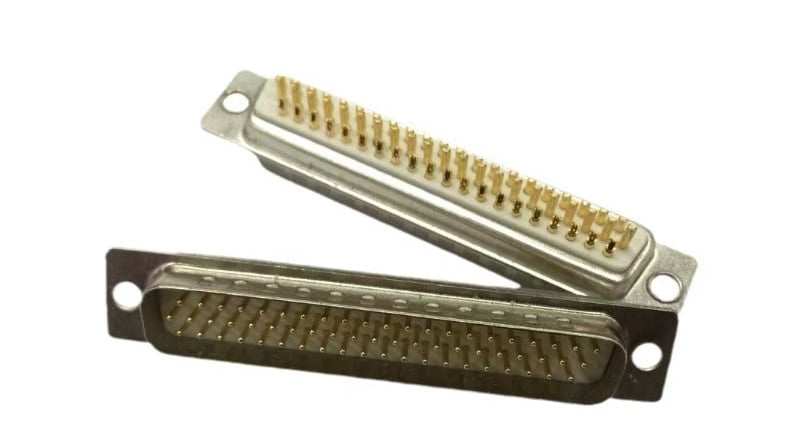
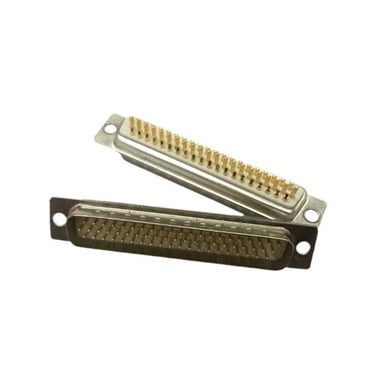
Aureate Technology often receive inquiries about D-sub connectors for applications ranging from industrial controls to test instrumentation. D-subminiature (D-sub) connectors are valued for their robust metal shell, versatile pin counts, and reliable shielding. To help customers make the right choice, here are key selection criteria from our perspective.
1. Pin Count and Layout
Standard D-sub offers 9, 15, 25, 37, and 50 pins. High-density versions provide up to 78 pins. Choose based on signal count and board space. For mixed-signal (power+signal), consider combo D-sub with coaxial or high-power contacts.
2. Current and Voltage Ratings
Standard signal contacts handle 5A (40°C rise). For power applications, select high-current variants (up to 40A per contact). Always derate for elevated temperatures.
3. Contact Plating
Gold plating (0.76–1.27µm) is preferred for low-level analog signals and corrosive environments; tin plating works for general digital signals but may cause fretting corrosion under vibration.
4. Shell and Shielding
Full metal shell with EMI/RFI shielding is mandatory in noisy industrial or telecom environments. For cost-sensitive, non-critical applications, plastic shell with basic shield is acceptable.
5. IP Rating and Environmental Sealing
Standard D-sub is unsealed (IP40). For humid or dusty conditions, specify IP67 sealed versions with gaskets and sealed backshells. Also consider corrosion-resistant stainless steel or nickel-plated shells.
6. Termination Style
Solder cup: field wiring / cable assembly
PCB mount: right-angle or straight – for board integration
IDC: fast mass termination for ribbon cables
Crimp: high reliability, tool required
7. Locking Mechanism
Standard jackscrews (#4-40) provide vibration resistance. Slide-latch or push-pull options for quick mating/demating.
8. Supplier Recommendation
Always source from ISO 9001 certified suppliers. Request material certificates and test reports (contact resistance, insulation resistance, DWV). For prototype to mass production, ensure consistent plating thickness and shell finish.
From our supply experience, common mistakes include: underrating current, ignoring vibration-induced fretting on tin-plated contacts, and forgetting strain relief for cable-mounted D-subs. Choose wisely, and contact us for custom backshell configurations.
Aureate Technology
Explore our sleek website template for your industrial products
Contact
Inquiry
aureatetech@126.com
008613363961067
© 2024. All rights reserved.